
So, you are in your 30s with one income but want a million things, you are also a firstborn daughter (in every sense possible, not that there is another way really), IN THIS ECONOMY??? Yes, that’s me. You know how we always say that our parents did so much with very little, and we always wonder how they managed? Well, I took it a step further and actually asked them, HOW? The answer was SAVINGS! Sounds obvious and simple, right? especially for someone who comes from a family of women who were (and still are) involved in every type of stokvel you can think of.
Growing up, my mom and aunts were involved in what they called “inhlangano” (a Swati term meaning “meeting”). These gatherings usually took place on the last Saturday of every month. They would meet, contribute money, which would be divided equally at the end of the year. They also lent money out during the year, which had to be paid back with interest before December.
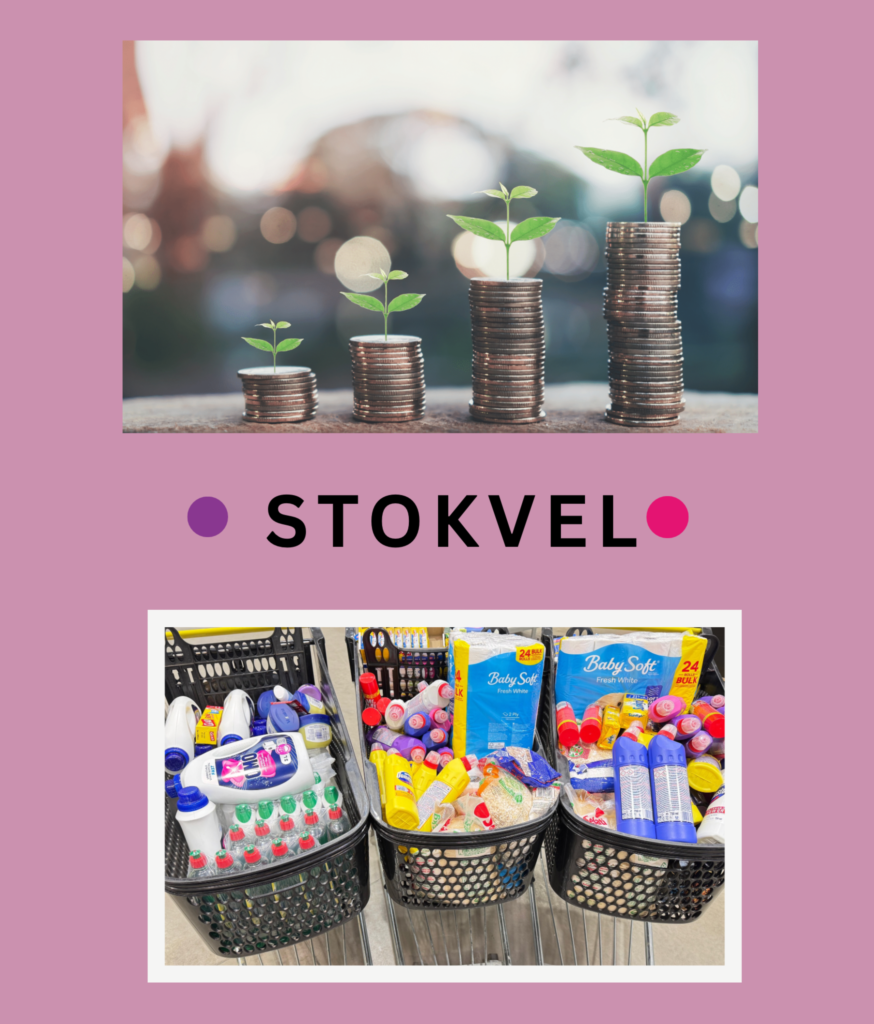
That was just one type of inhlangano. There was another type focused on groceries (others were for a cow, chickens or even cool drink and beer stokvels). Instead of receiving money at the end of the year, members would buy groceries in bulk and share them equally. My Dad, on the other hand, was involved in what you call a rotational stokvel at work. Each month, one member would receive the pooled money, and they would decide what to spend it on. So you see, I am not new to the culture of savings, but had actually never considered doing it for luxury items like a designer handbag I liked, an expensive pair of shoes or even my dream holiday. For me, it always came down to whether I could afford to pay for something in one go or not (crazy right?). That changed in 2020, during Covid. Since then, I have become my parents in many ways. I am now involved in multiple stokvels, from a grocery stokvel with my friends (which means I don’t have to worry about things like cleaning detergents, cooking oil, spices and other pantry items throughout the year), to others that help me plan better financially. This has also freed up my money as my monthly grocery shopping is now mostly limited to meat, fruits and vegetables.
Now let’s get into the real chat about what a stokvel is in our times, or the different ways in which we can stretch our salaries to afford the things and the kind of happiness that only money can buy.
A stokvel is simply defined as a savings club – a popular and communal way for people to save money together for a common goal, a practise that is not unique to South Africa but is prevalent in many low-income communities across developing countries. Stokvels can be classified into two types: (i) Rotating stokvels , whereby members contribute a set amount each month, and one member receives a cycle of the payout based on a predetermined roster. (ii) End-of-the-year (and sometimes beginning of the year stokvels too) stokvels – whereby contributions are made throughout the year, and the payouts are distributed in early December for Christmas spending or beginning of the year to help members cover back-to-school expenses (we all know how tough things can get in Januworry). Today, stokvels are versatile and tailored to the financial goals of each group. Some stokvels that exists include (i) Burial societies – where members contribute to support each other to cover funeral expenses, the support from the stokvel can vary from things like providing groceries, transport or money depending on what is agreed upon (ii) Savings/Investment clubs – each member contributes money in one account then at the end of the year, the money (and interest) is shared between the members, members can use the money for whatever they want, it could be a new designer bag, new phone or even a holiday or in the case of investment stokvels the funds could be reinvested or used to fund big projects that require large sums of money.
Right now, South Africa is dealing with a major fuel hike, petrol is up by R3,27/litre and diesel by R6,19/litre, this will definitely add pressure on already stretched budgets. This might be the time to switch our daily routine a bit, consider lift clubs with friends or colleagues, sharing school runs, using public transport where you can, or even just planning your trips smarter so you’re not driving back and forth. It’s not about big sacrifices, just small, practical changes that can help you keep a little more cash in your pocket while still getting through your daily routine.
I hope this post serves as a gently reminder to pause and take a closer look at your bank statement, and have honest conversations about your money. It’s really about being intentional with what you have, making small but smart adjustments along the way, and finding ways to stay financially steady. Here’s to being more mindful with our budgets and seeing all of us safely through to the end of 2026.
I love this- we really do need to be intentional about what we have and what we can and cannot afford.
The economic environment calls for wise money management.
Heard some good things about 8777sx. Will give it a try when I get chance. Browse around 8777sx to check.
Do give it a try. You won’t regret it.
Pingback: The Best Time to Build a Quality Wardrobe on a Budget | Find Me In My 30s
I agree with your points here, nicely done.